Overview

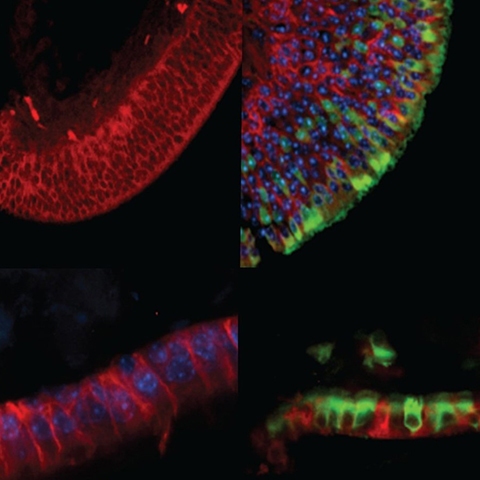
The Lencer Laboratory studies the cell and molecular biology of vesicular transport in polarized epithelial cells and regulation of ion transport in the intestine. These projects relate to how intestinal epithelial cells interact with the luminal and sub-epithelial microenvironment, and to the biology of bacterial pathogenesis and mucosal host defense.

Our Projects

Please note

This content is best viewed in a browser other than Safari

The PARD6B and Apical Endosome Research Programs

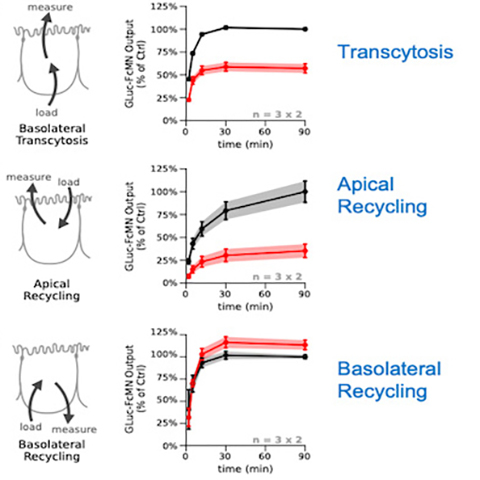
We discovered that upon virus or enterotoxin binding to glycosphingolipid receptors on the apical membrane of barrier epithelial, the host cell rapidly degrades the PARD6B-aPKC-Cdc42 polarity complex to down-regulate the apical endosome. This blocks further entry of the invading toxins and viruses in a novel form of cell autonomous host defense.

The Endoplasmic Reticulum and ER Stress Research Programs

We found that upon entry into the endoplasmic reticulum (ER) of host cells, a portion of these toxins activate the unfolded-protein sensor IRE1α. And we discovered the structural basis for unfolded protein recognition by IRE1a leading to induction of the unfolded protein response. Our work on IRE1a led to a new project focused on the biology of its evolutionarily evolved paralogue IRE1b.

Principle Investigator

To learn more about the Lencer Lab, please visit lencerlab.org.